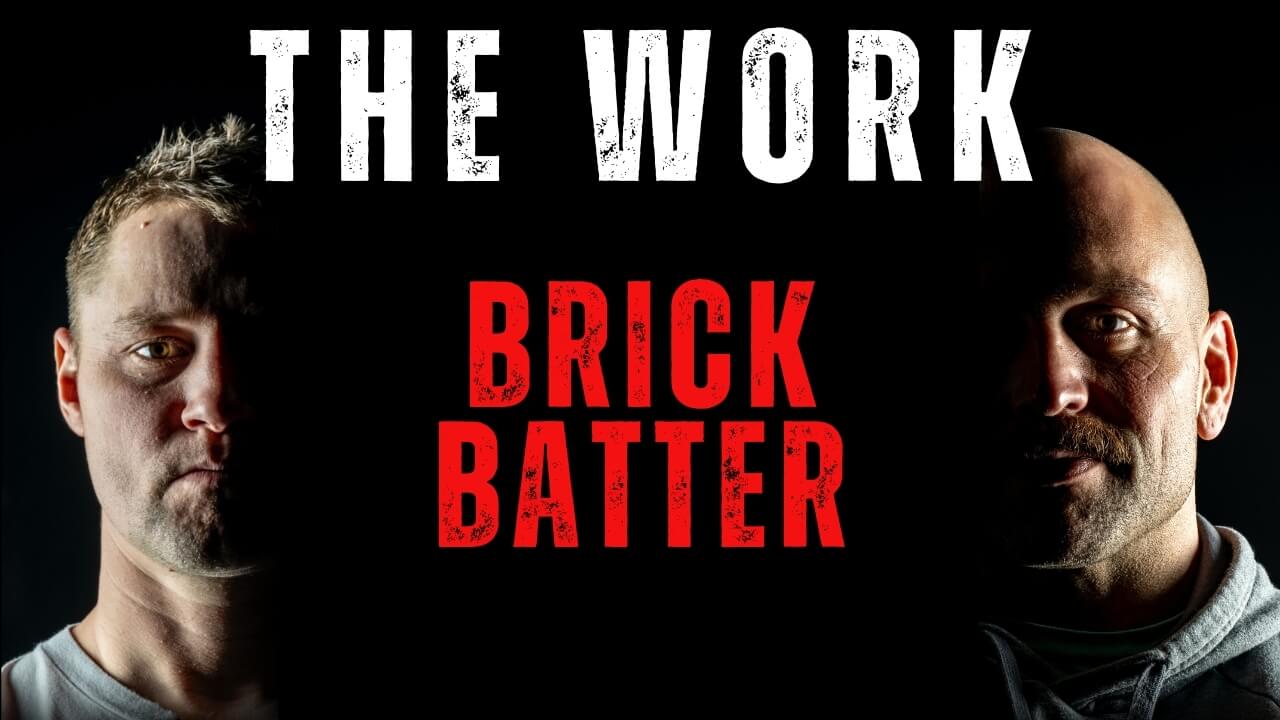
The Truth About Diets: What Bodybuilders Need to Know!
I sat down with Mark Ennis, and we covered a lot. Mark is in his 50s, a former rugby player, and a health coach who recently stepped on stage for a natural bodybuilding show. He did it using keto and carnivore principles and kept his health the whole time. I wanted to share the best parts of our conversation and the practical lessons you can use today.
Why Mark Chose Keto and Carnivore for Competition
Mark had long struggled with food and hunger. When he tried low-carb and then carnivore, the constant hunger and food fear vanished. That helped him get lean for his first bodybuilding show without losing energy or feeling crushed.
His peak week had no carbs. He used a little salt before stepping on stage and had zero cramps. He walked around talking to people and still felt strong. A coach told him that if he added carbs and improved posing, he could have possibly won. Mark laughed and said he might do another show just to test himself again.
Health-First Competition Philosophy
Mark refuses to ruin his long-term health for a trophy. He sees competitors who crash, cramp, and regain tons of water weight right after the stage. He wants a sport that builds knowledge about the body, not one that damages people. He believes a smart low-carb approach can give you results without destroying energy, sleep, or mood.
Simple Nutrition Rules that Actually Work
Mark keeps nutrition simple. His rules are easy to follow, and they make sense for many people:
- Start With A Basic Macro Ratio: try a one-to-one lean grams of protein to grams of fat as a starting place.
- Fix Hunger First: if you are always hungry, counting calories alone won't fix it.
- Reverse Diet Slowly: after a cut, add calories back gradually so you end up leaner eating more food.
- Be Careful With Extreme Fat-Only Advice: very high fat with low protein and too much energy can stall progress for some people.
Training: Less Can Be More
Mark follows low-volume, high-intensity training. Most sessions are 40 to 45 minutes. He likes one heavy working set on compound lifts and then a few accessory moves. He avoids wasting energy with too many warm-up sets or high junk volume.
He also values recovery. Deloads every eight weeks and occasional weeks off lead to better strength and fewer injuries. If you train more often, drop the volume per session so you do not burn out.
What Mark Thinks About Trends and Social Media
He does not like the "look-at-me" marketing that pushes quick fixes. He sees people using their best photos or stage shapes to sell diets that may not work for everyday people. Mark wants honest conversations about health, not clickbait. He also warns against thinking supplements or drugs are the easy path. Try food-first and natural principles before jumping to drugs and injections.
Actionable Tips from Mark
- When dieting, keep it simple. Remove choice fatigue and follow a clear plan.
- Reverse diet slowly to protect metabolism and keep progress long-term.
- Focus on progressive overload and mechanical tension. Muscle grows from good tension and recovery.
- Sleep, rest, and deloads matter. You grow outside the gym.
- If you try low-carb or carnivore and stall, check macros before adding carbs back in.
Where Mark is Headed
Mark is writing an ebook and planning events in Ireland to spread the message about keto and carnivore. He wants to teach people how to lift properly, eat well, and live longer with more energy. He's also coaching athletes and plans to help others step on stage the right way.
FAQ
Q: Can you compete while on keto or carnivore?
A: Yes. Mark cut to stage lean on carnivore with no carbs in peak week. You can do it, but plan properly and watch electrolytes. Practice posing and prep so you peak when it counts.
Q: How long should a workout last?
A: Keep it short and focused. Mark aims for 40 to 45 minutes. One or two heavy sets on compounds, then a few targeted accessory sets.
Q: What is reverse dieting?
A: Slowly add calories back after a cut to raise metabolism while keeping a leaner body and more energy. Do it over weeks and months, not days.
Q: How do I know if my macros are wrong?
A: If progress stalls after one to two weeks, re-check protein and fat. Many people eat too much energy from fat or not enough protein. Start with a simple one-to-one protein-to-fat-gram plan and adjust from there.
Final Thoughts
Mark is a great example of doing bodybuilding with respect for health and longevity. His approach is simple, honest, and effective. If you want a clear system that helps you get shredded without wrecking your health, join my Free Bodybuilding Masterclass. I walk through the 7-Phase Savage System I use with clients. I teach how to lose fat, keep muscle, and reverse diet properly.
Stay Savage,
Robert Sikes
Register For My FREE Masterclass: https://www.ketobodybuilding.com/registration-2
Get Keto Brick: https://www.ketobrick.com/
Subscribe to the podcast: https://open.spotify.com/show/42cjJssghqD01bdWBxRYEg?si=1XYKmPXmR4eKw2O9gGCEuQRobert Sikes
You might also like...